What to Know About Rhizopus Stolonifer (Black Bread) Mold | The Family Handyman
What to Know About Rhizopus Stolonifer (Black Bread) Mold
Every editorial product is independently selected, though we may be compensated or receive an chapter commission if yous buy something through our links. Ratings and prices are accurate and items are in stock as of time of publication.
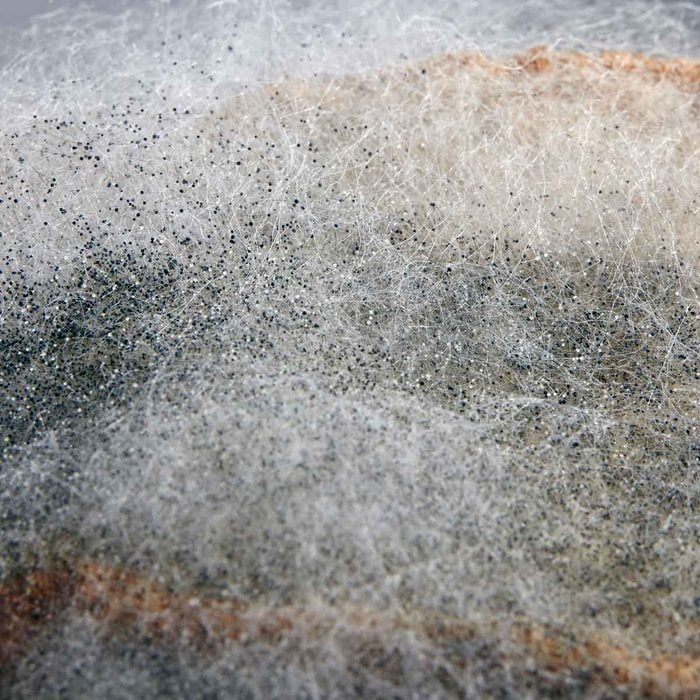
Black bread mold doesn't just grow on bread. Learn all about this widespread type of mold and how to get rid of it, one time and for all.
What Is Rhizopus Stolonifer (Blackness Bread) Mold?
This thread-similar organism is one of the near mutual types of Rhizopus mold around the world. The genus was first identified in 1818 past German scientist Christian Gottfried Ehrenberg. To engagement, x species of Rhizopus have been identified, including the nigh commonly seen, Rhizopus Stolonifer. The common name of this particular organism, black bread mold, comes from its tendency to grow on bread. The spores of this mold change shape depending on the food source.
Where Is It Commonly Found?
Rhizopus Stolonifer spores are found everywhere in the natural world, but they demand moisture and a nutrient source of starch or sugars to begin growing. Every bit with many types of molds, Rhizopus has at to the lowest degree one practical employ: It's part of the product of steroid medications.
Different species of Rhizopus cause agricultural losses, especially affecting fruits and vegetables. Leak disease in soft fruits such every bit tomatoes, strawberries and stone fruits, too as pole rot in tobacco leaves, are caused by different Rhizopus species.
What Are the Health Effects?
Zygomycosis (also chosen mucormycosis) is the nearly mutual human disease acquired by a species called Rhizopus arrhizus. While almost people are constantly exposed to Rhizopus and other molds with no health problems, it'southward typically immunocompromised people who will come down with disease from Rhizopus Stolonifer. Zygomycosis infections are rare, but when they do happen they tend to affect the face, nose and mouth.
How to Remove and Prevent Rhizopus Stolonifer (Blackness Bread) Mold
This fast-growing mold looks like fuzzy white cotton when it'southward growing on nutrient. Reducing wet levels is the first step towards eradication of Rhizopus Stolonifer in the home, but there is more you tin do. Because this mold depends on starches and sugars for a food source, keeping your habitation clean and gratuitous from food debris and dust will aid. Rhizopus is easier to deal with than other household molds because it requires a specialized food source to grow. If yous do find some in your home, treat the area with a registered fungicide and do what's necessary to reduce moisture levels to cease the mold from coming back. If yous've got mold staining on visible surfaces that you care nigh, get rid of the stains with an oxygen-based mold stain remover.
Originally Published: June 09, 2020
Source: https://www.familyhandyman.com/article/rhizopus-stolonifer-black-bread-mold/
0 Response to "What to Know About Rhizopus Stolonifer (Black Bread) Mold | The Family Handyman"
Post a Comment